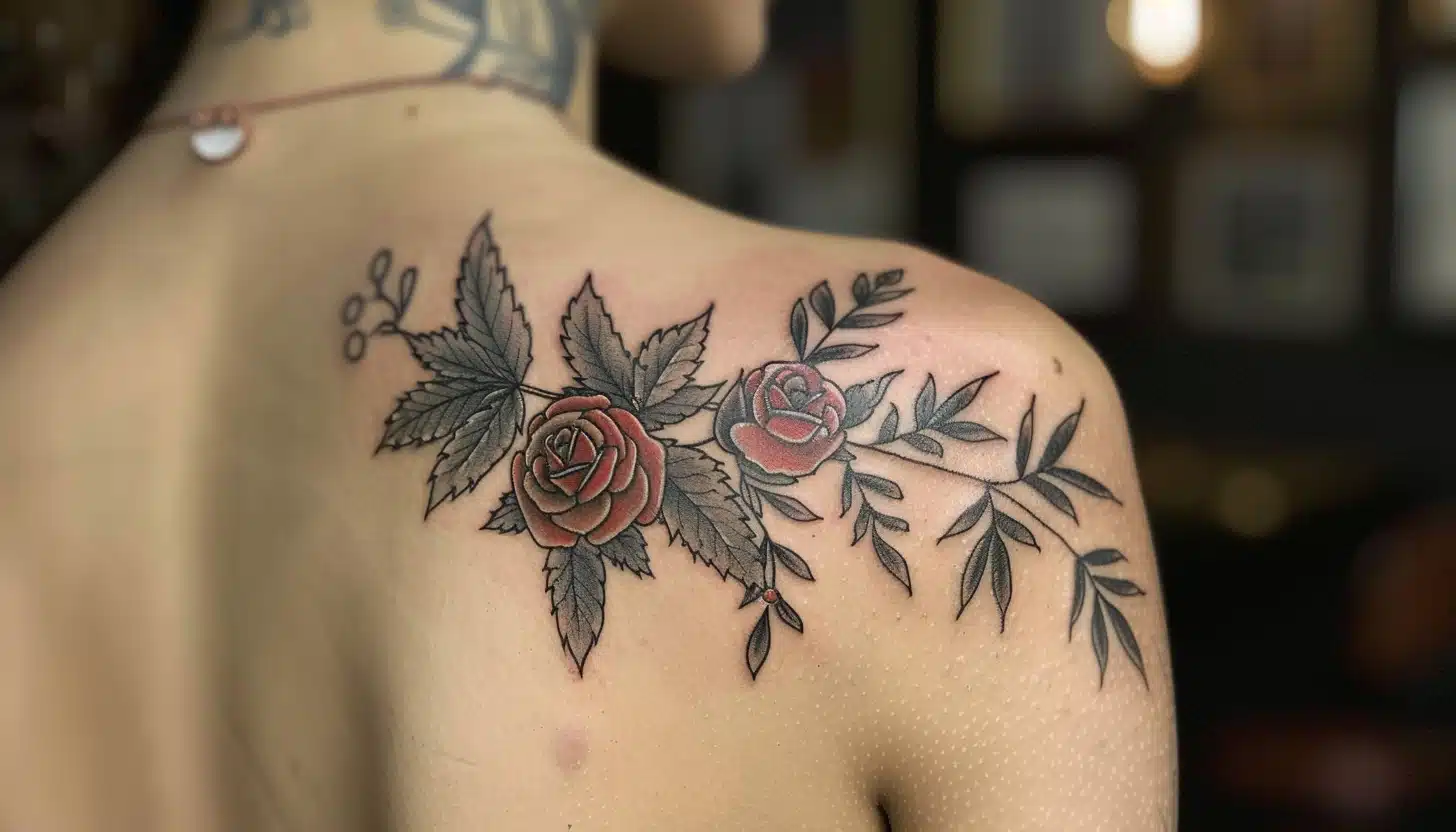

AdobeStock 134141541 1

Stop the Cannabis Stigma: A Look at Canna-Moms

Although more and more countries move towards legalization and despite the growing number of people choosing cannabis over pills, the stereotypical stoner of Reefer Madness infamy continues to plague certain cultures. Despite these shifts, the process of cannabis normalization remains complex and multifaceted. This is in stark contrast to the double standard where alcohol is a socially

2:45 Min Read
February 5, 2025

Views

1340

Likes

0

Table of Contents

    Although more and more countries move towards legalization and despite the growing number of people choosing cannabis over pills, the stereotypical stoner of Reefer Madness infamy continues to plague certain cultures. Despite these shifts, the process of cannabis normalization remains complex and multifaceted. This is in stark contrast to the double standard where alcohol is a socially acceptable means to unwind and deal with stress. Having a glass of wine doesn’t automatically make someone an alcoholic nor does using cannabis makes someone a stoner.

    AdobeStock 134141541 cannabis image

    Moms and Medical Cannabis

    Moms already face unrealistic expectations, and their choice to use cannabis is just another activity for which they’re judged. Like most superheroes, Mom’s priority is everyone but herself, and anyone who suffers from depression, anxiety, PTSD or chronic pain knows how debilitating it can be.

    Using cannabis is a way for Mom to deal with her own physical and mental health on top of everything else she does. The side effects of opioids, including dizziness, nausea, constipation, and vomiting are too debilitating for normal everyday activities. Pills aren’t always an option, especially when cannabis is a more effective, less detrimental, and legal alternative. For moms like Annamarie, a video blogger and a Palliative Care Nurse who suffers from chronic pain, cannabis helps her to be the best version of herself for her husband, son, and patients. Many moms find it challenging to discuss their cannabis use with their healthcare provider due to the stigma associated with it.

    Another mom, Mandie Leblanc, uses medicinal marijuana to help her relax and shut down the negative thoughts of past childhood trauma while trying to navigate being a new mom. “Seventeen years later, cannabis helps me be a better mom each and every day because it allows me to live outside my head, it allows me to live in the moment and cherish them with my children.”

    Missy Lindstrom, Mom Founder of The Smoke Hut Cafe says “Life can be stressful, and raising minis isn’t always a picnic. We love them but sometimes “rounding” off life’s edges is necessary. I feel like I’m a better listener and much much more patient with my children. It’s much easier to let go of “adult Missy” for a bit and find my inner child. It gets pretty goofy at times.” Missy is not alone, the “silly factor of cannabis” is a common theme among moms. While some moms use cannabis medicinally, others find recreational cannabis helps them unwind and manage stress.

    Mom’s top priority is her kids and for many, cannabis helps them navigate life with grace and heart. It’s part of a holistic lifestyle that she incorporates into her daily living from the infused honey she puts in her tea and the oil she takes before bed to the discrete puffs on her vaporizer when the pain is too much to bear.

    The Stigma Surrounding Medical Cannabis

    Despite the mounting evidence supporting the therapeutic benefits of medical cannabis, the stigma surrounding its use remains a significant hurdle. Many still view cannabis as an illicit drug, tainted by outdated stereotypes and negative attitudes. This stigma doesn’t just affect public perception; it has real consequences for those who rely on cannabis for their health. Social exclusion and judgment can make it difficult for individuals to openly discuss their cannabis use, impacting their mental health and overall well-being. It’s time to recognize that medical cannabis is a legitimate treatment option and to support those who use it.

    Breaking Down Social Stigmas

    Changing the negative attitudes and stereotypes associated with medical cannabis requires a comprehensive approach. Education and awareness are crucial in this battle. Healthcare providers play a pivotal role by offering accurate information about the benefits and risks of medical cannabis and supporting patients who choose it as a treatment option. Public education campaigns and advocacy efforts are also essential in normalizing cannabis use. By spreading knowledge and understanding, we can dismantle the stigma and create a more accepting environment for all.

    Knowledge Is Power: Understanding Cannabis Use

    As with any sensitive parent-kid talk, empowering children with knowledge can make for some awkward moments. Jessica Bell, Mom and Founder of the Manna Project uses cannabis to manage her chronic back pain and sometimes when life gets tricky, her nine-year-old daughter will let her know when she thinks it’s time for [Mom’s cannabis] break. The stigma is often compounded by societal views on illicit drug use, which can further marginalize medical cannabis users.

    Kids will say the darknets things and with the best intentions, staying calm and present with her kids during these misplaced moments is key to successful parenting.

    The ability to let go and relax is what cannabis is best known for. Without a doubt, cannabis helps Mom be a better parent and continue to build a loving relationship with her kids. Cannabis has a way of lightening things up and turning the more mundane moments of parenting into something with sparkle.

    Sherry Desjardins, mom of a nonverbal, autistic daughter and full-time student suffered more from the side effects of her prescribed pills than her PSTD. Making the switch to cannabis was life-changing and it informed her decision to legally treat her daughter with cannabis. “I would rather my daughter be “high” and happy than a pilled-up little zombie just existing.” This stigma is particularly pronounced for those using medical cannabis to manage mental illness, as they may face additional layers of judgment. “I would rather my daughter be “high” and happy, then a pilled-up little zombie just existing.” — SHERRY DESJARDINS

    The Impact of Stigma on Medical Cannabis Users

    The stigma surrounding medical cannabis can have profound effects on users. Internalized stigma can lead to negative self-perceptions, self-stigma, and decreased self-esteem. Patients may feel ashamed or embarrassed about their cannabis use, resulting in social isolation and deteriorating mental health. Moreover, stigma can hinder access to healthcare services, as patients might be reluctant to disclose their cannabis use to healthcare providers. This reluctance can lead to inadequate treatment and adverse health effects. It’s crucial to address and reduce this stigma to ensure that patients receive the care they need without fear of judgment.

    The Role of Healthcare Providers in Reducing Stigma

    Healthcare providers are at the forefront of the fight against the stigma surrounding medical cannabis. By providing accurate information about the benefits and risks of medical cannabis, they can educate patients and help shift negative attitudes and stereotypes. Supporting patients who choose medical cannabis as a treatment option is equally important. Healthcare providers can offer guidance on safe use and monitor for potential side effects, helping to normalize cannabis use and reduce stigma. Their role is vital in creating a more accepting and informed healthcare environment.

    Recreational Cannabis as a Lifestyle Choice

    Cannabis, in many cases, contributes to an improved quality of life more so than pharmaceuticals. The stigma surrounding marijuana use can make it difficult for individuals to openly discuss their choices, even within their own families.

    Cannabis is a lifestyle choice that gives people control over their health rather than the other way around. As such, cannabis is normalized in these families and their children are keenly aware of its purpose. Despite its benefits, cannabis is still often viewed as a recreational drug, which can contribute to the stigma users face. They understand that cannabis is a medicine and why mom (or dad) uses it.

    Medical Marijuana as a Legitimate Treatment Option

    Medical marijuana is increasingly recognized as a legitimate treatment option for a range of medical conditions, including chronic pain, mental health disorders, and substance abuse. The growing body of evidence supporting its medical benefits has led many healthcare providers to recommend it as a viable treatment. However, the stigma surrounding medical cannabis can still pose barriers to access. By reducing stigma and increasing education and awareness, we can move towards a future where medical cannabis is viewed without prejudice, allowing patients to access this treatment without fear of judgment or social exclusion.

    Was this helpful?

    Thanks for your feedback!
    Share Your Thoughts: Join the Discussion Below
    About Author
    Author PhotoNicole Flanigan

    Nicole Flanigan is a cannabis industry powerhouse with over eight years of hands-on experience across the board. From cultivating top-shelf strains to fine-tuning concentrates, she's done it all— and lived... Read More

    About Author
    Author PhotoNicole Flanigan

    Nicole Flanigan is a cannabis industry powerhouse with over eight years of hands-on experience across the board. From cultivating top-shelf strains to fine-tuning concentrates, she's done it all— and lived... Read More

    You May Also Like
    About Author
    Author PhotoNicole Flanigan

    Nicole Flanigan is a cannabis industry powerhouse with over eight years of hands-on experience across the board. From cultivating top-shelf strains to fine-tuning concentrates, she's done it all— and lived... Read More

    Table of Contents

      Our Newsletter

      Subscribe to our newsletter to receive more updates

      Please enable JavaScript in your browser to complete this form.

      Follow us on

      Success

      This is a success message

      Error

      Something is wrong.

      Scroll to Top